

Categories

12
MARUnderstanding International Refined Product Markets
- March 12, 2026
- Oil Markets
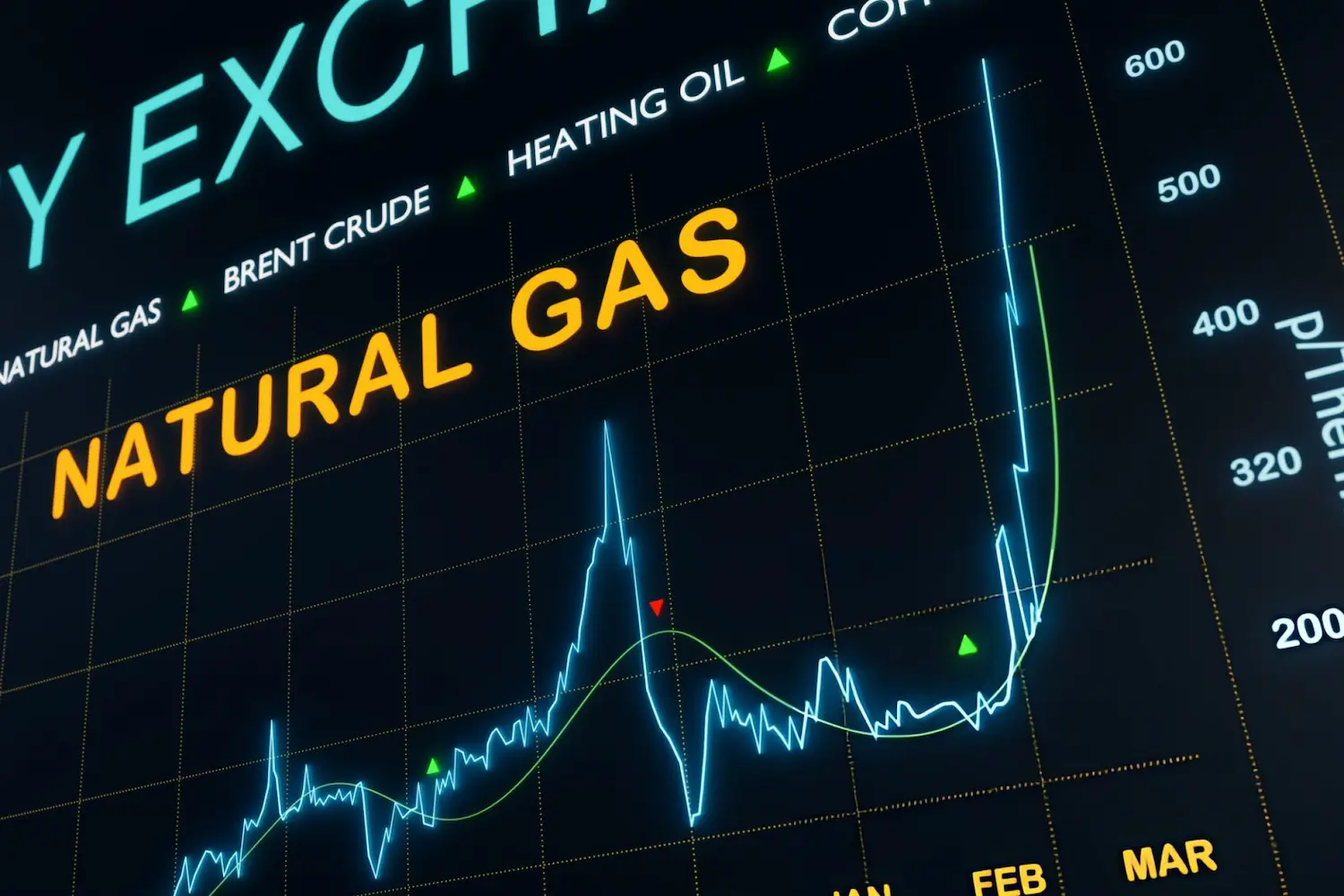
International refined-product markets look simple from a distance: crude is processed, products come out the other side, and those products find a home. In practice, the commercial picture is more fragmented. Diesel, gasoline, jet fuel, heating oil and the wider distillate complex each respond to different demand cycles, quality specifications and logistics constraints. A region can be long one product and short another in the same week.
For commercial, trading and strategy teams, the useful starting point is not a single “oil price.” It is the relationship between what refineries are running, what quality they can produce, what nearby demand can absorb, and what it costs to move barrels to the next-best market. Those four questions — runs, quality, demand and freight — explain most of the day-to-day tightness or surplus that clients ask us to interpret.
Why product markets do not move as one
Crude markets set a backdrop, but refined products are local in a way crude often is not. Gasoline demand still follows driving seasons and blending rules. Diesel is tied to freight, industry and, in some regions, agricultural activity. Jet fuel tracks airline schedules and airport supply arrangements. Heating oil remains weather-sensitive in markets that still rely on it. When one of those demand streams strengthens, it does not automatically pull the others with it.
Refinery configuration matters just as much. A complex that is built to maximise gasoline will not suddenly produce incremental jet or heating oil without changing crude slate, cut points or secondary-unit utilisation. That is why two regions with similar crude prices can still show very different product balances. The commercial implication is straightforward: a headline crack spread is a useful signal, not a complete description of what is available to buy, sell or substitute.
Quality, specification and the cost of being “almost right”
Product that cannot meet the receiving market’s specification is not really surplus. Sulphur limits, seasonal vapour-pressure rules, jet-fuel certification and heating-oil grades all create pockets of demand that generic barrels cannot fill. The result is a market that can look well supplied on a volume basis and still feel tight for the grade a buyer actually needs.
This is one of the most common sources of surprise in cross-border product trade. A cargo that works in one discharge port may need blending, additivation or a different destination to work in another. Those extra steps take time, tankage and working capital. They also change the netback enough that a move which looked attractive on a simple price screen can lose its rationale once quality and logistics are included.
Freight as a commercial constraint, not a footnote
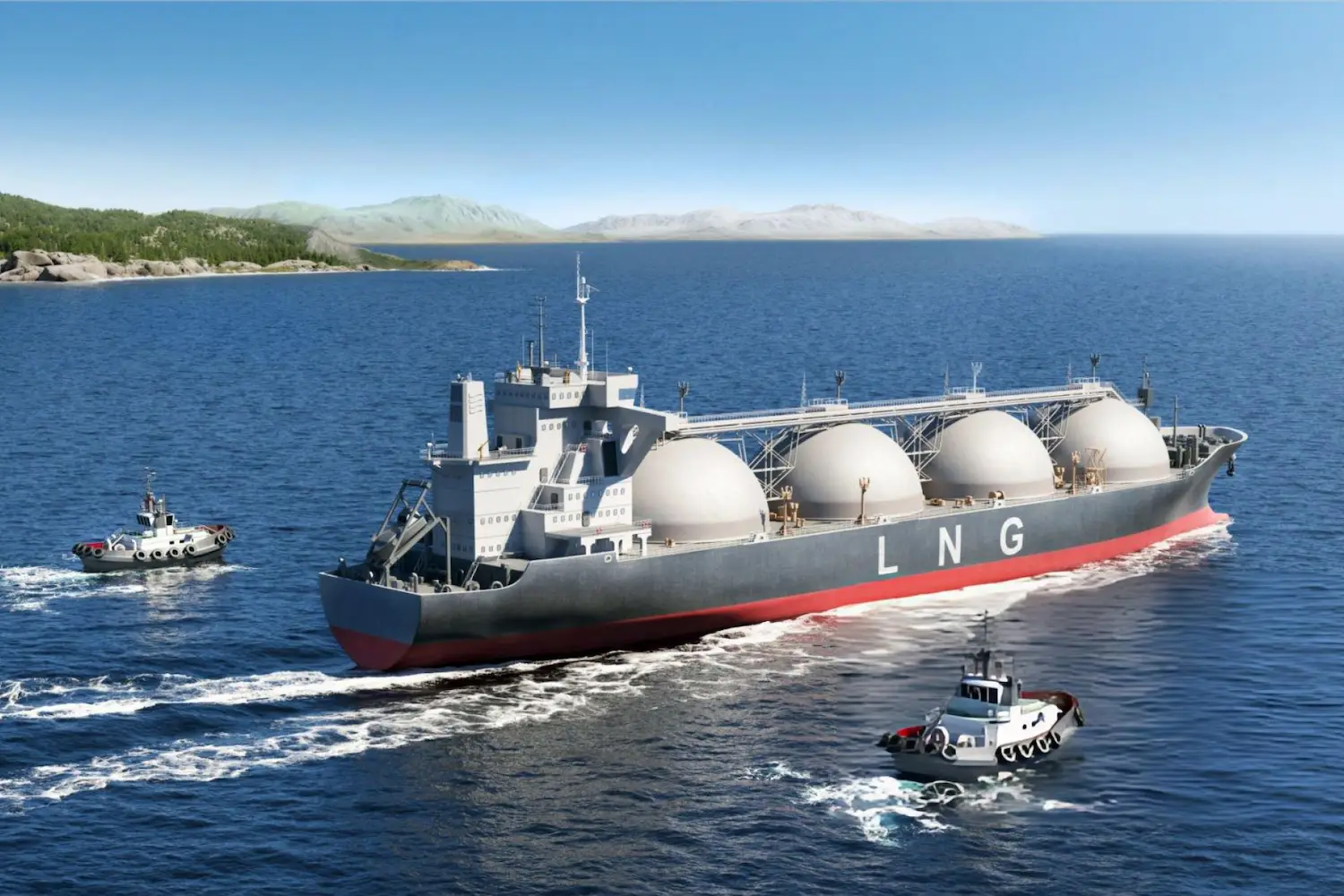
Freight is often treated as a residual — the last number subtracted from a destination price. In refined-product markets it is frequently the deciding variable. Vessel class, clean-product availability, canal or weather delays, and the cost of waiting for a berth can all move the economics of an arbitrage more than a modest change in the product differential.
When freight is elevated, regional markets become more isolated. A surplus in one basin may not relieve tightness in another, because the barrel cannot travel at a workable netback. When freight is cheap, the opposite happens: product can seek the highest-value home more quickly, and local premiums compress. Understanding that switch is more useful than treating every price gap as a trading opportunity.
- Ask whether the surplus product matches the receiving market’s quality rules.
- Check vessel availability and laycan flexibility before treating a differential as executable.
- Separate seasonal tightness from structural shortage. Weather and driving seasons fade; missing conversion capacity does not.
- Watch inventories by product, not only crude or “total products.” A gasoline build can sit alongside a diesel draw.
What this means for decision-makers
Organizations that buy, sell or plan around refined products need a view that combines market structure with operational reality. That includes where incremental barrels would come from, which products a regional refining system can actually yield, how long it takes to move them, and what can go wrong at the port or the terminal. The goal is not to predict tomorrow’s price. It is to know which options remain open if the balance shifts.
6soil’s oil and refined-products work is built around that kind of context. We help clients read supply, demand, quality and freight together so commercial choices are grounded in how these markets actually function. We do not produce, store or ship the products, and we do not treat this note as a trading recommendation. It is a framework for asking better questions before capital, inventory or a cargo is committed.