

Categories

22
JANNatural Gas Market Dynamics Across Regions
- January 22, 2026
- Gas Markets
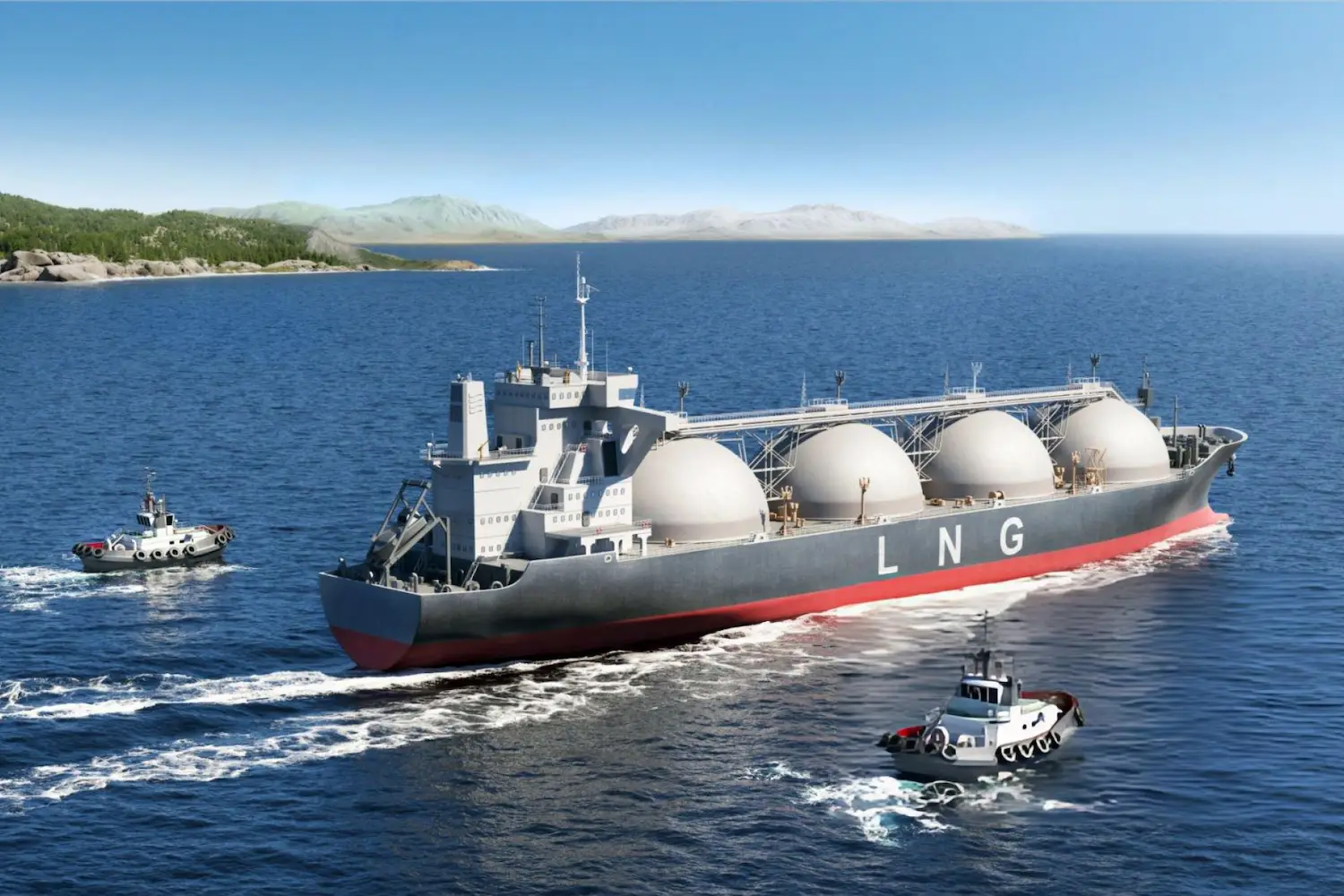
Natural gas is often described as if it were already a single global commodity. LNG has made that description more plausible than it was a decade ago. It has not made it accurate. Most gas still moves by pipeline, is consumed near where it is produced or imported, and is priced against local fundamentals: production, storage, weather, power-burn and the capacity of the network that connects them. LNG is the valve between those systems. It is not the system itself.
That distinction matters for anyone buying, selling, generating or planning around gas. A global headline can be directionally useful and still be the wrong answer for a specific region. The better question is usually: what is happening inside this market, and how much of that pressure can actually be imported or exported through LNG and interconnectors?
Why gas markets stay regional
Pipeline capacity, storage and seasonal demand give each region its own rhythm. North America can be long in one producing basin and tight at a city-gate hundreds of miles away if takeaway is constrained. Europe’s balance still turns on storage fill, pipeline imports and the need to replace or supplement those flows with LNG. Asia’s gas markets remain a set of national systems with different contract traditions, power-mix exposures and import infrastructure.
Weather sits on top of that structure. A cold spell raises space-heating and, in some markets, power-burn at the same time. A mild winter leaves storage high and next-season procurement looking different. None of that is automatically transmitted to another continent. It travels only if the LNG or pipeline link has spare capacity and the price relationship pays for the move.
The LNG interface, without treating every region as the same
When a region can import or export LNG, local tightness has an escape valve — up to a point. Import capacity, send-out, shipping and competing demand in other basins all cap how much relief can arrive, and how quickly. Export capacity works the other way: a producing region can clear surplus gas into the sea-borne market, but only as fast as liquefaction and ships allow.
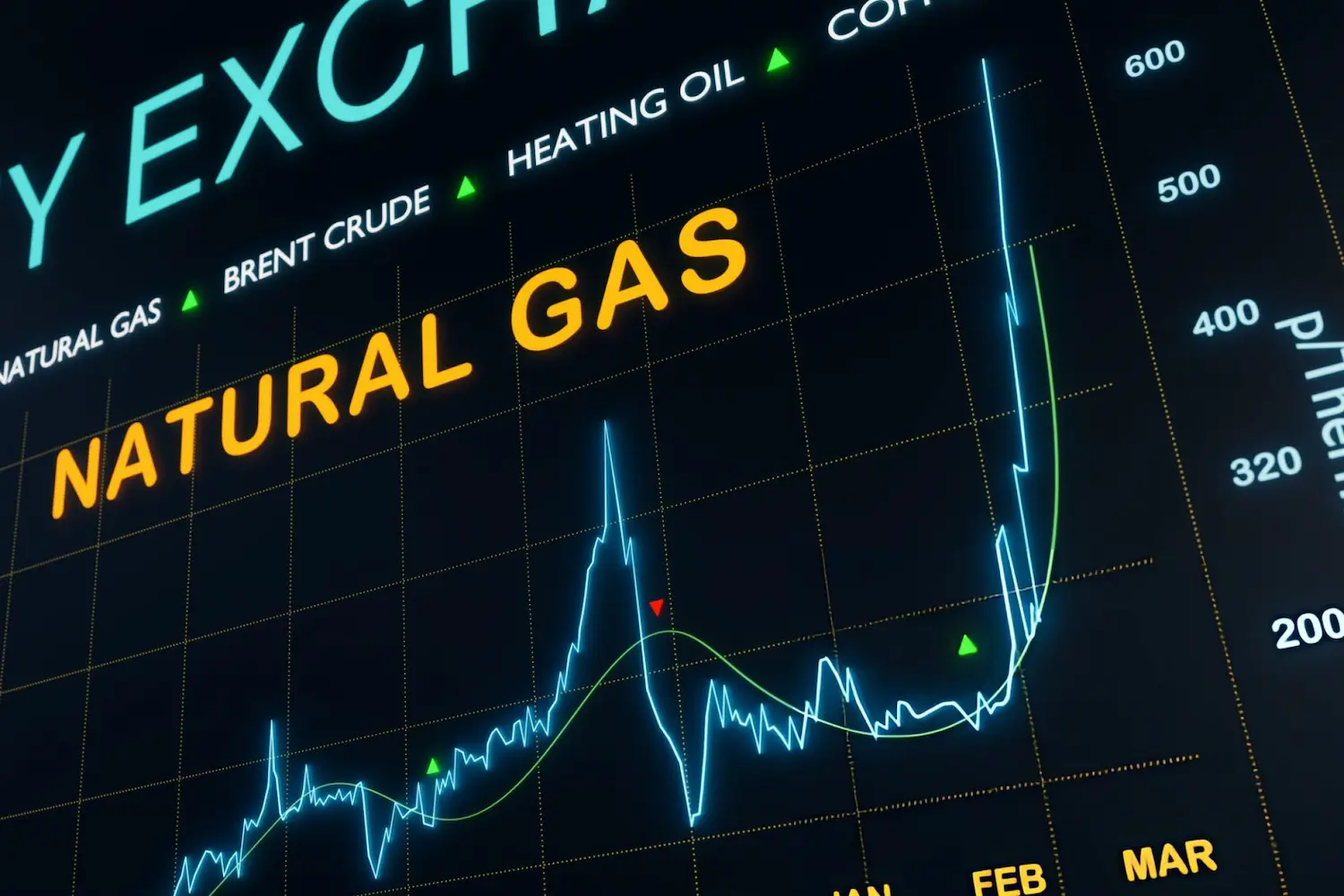
This is why two regions can print very different prices in the same week even though both are “in the LNG market.” One may be bumping against terminal constraints. The other may have spare send-out and no competing bid strong enough to pull cargoes away. The commercial task is to locate the constraint, not to average the two prices into a single world number.
Storage, power-burn and the hidden swing
Storage is the buffer that lets a gas market absorb weather and maintenance without immediately rationing demand. When inventories are healthy, short-term shocks are cheaper to manage. When they are not, even a modest cold snap or outage can reprice the entire curve. Power-burn is the other swing. In markets where gas sets the marginal power price, electricity demand becomes a gas-demand story, and fuel-switching in the other direction can disappear just when gas is tightest.
Industrial demand is usually slower, but it is not inert. Process users, fertiliser and petrochemicals respond to both price and reliability of supply. A region that looks balanced on a weather-normal assumption can still be short if industrial load is stronger than expected or if a pipeline outage isolates a consuming pocket. Regional analysis has to keep those pockets visible instead of dissolving them into a national average.
- Start with the local balance: production, storage, weather and pipeline capacity.
- Only then ask how much LNG or interconnection can change that balance in the relevant window.
- Treat power-burn as a gas variable in markets where gas is on the margin.
- Do not assume a global price move will arrive intact. Constraints and contracts decide what actually crosses the border.
Using a regional view in commercial decisions
Procurement, trading and investment decisions improve when the regional picture is clear. A buyer in an import-dependent market needs to know whether tightness is seasonal, infrastructural or the result of competing LNG demand elsewhere. A producer or exporter needs to know which regions can physically take incremental supply. A power or industrial user needs to know whether gas is the constrained fuel or merely the visible one.
6soil’s natural-gas work is built to answer those questions without collapsing every market into a single narrative. We help clients read regional fundamentals, the LNG interface and the commercial implications together. This note is not a price forecast and not a claim that any region will move in a particular direction. It is a reminder that gas is still local first — and global only to the extent the infrastructure and the economics allow.